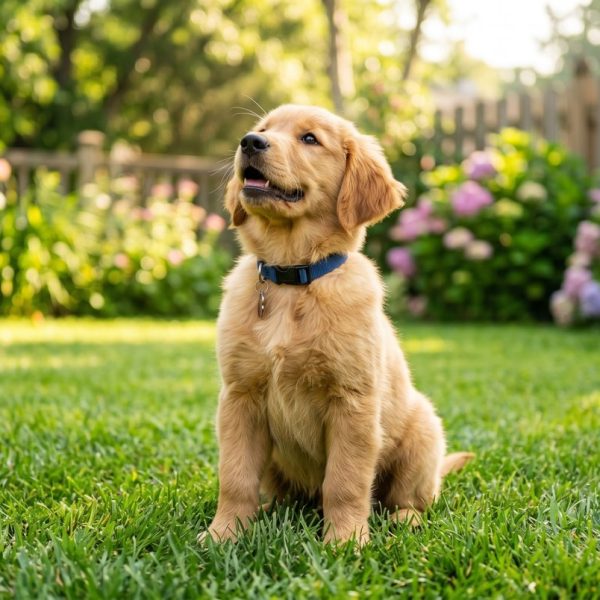
Bringing a puppy home is pure joy for about a day, and then the chewing, the accidents and the three in the morning whining begin. None of it means you have the wrong dog. It means you have a baby animal that does not yet understand the rules of your house. Good puppy training is simply the process of teaching those rules clearly and kindly, and the earlier you start, the easier every month that follows will be.
Start with house training and a routine
The first lesson most owners care about is where the dog should relieve itself, and the secret is boring consistency rather than clever tricks. Take your puppy outside after every nap, meal and play session, and to the same spot each time, then reward the moment it goes. Puppies thrive on rhythm, so feeding, sleeping and toilet breaks at predictable times will do more than any gadget. Accidents will happen, and when they do you clean up quietly and resolve to watch more closely. Punishing a puppy after the fact teaches fear, not understanding.
Why crate training helps more than it hurts
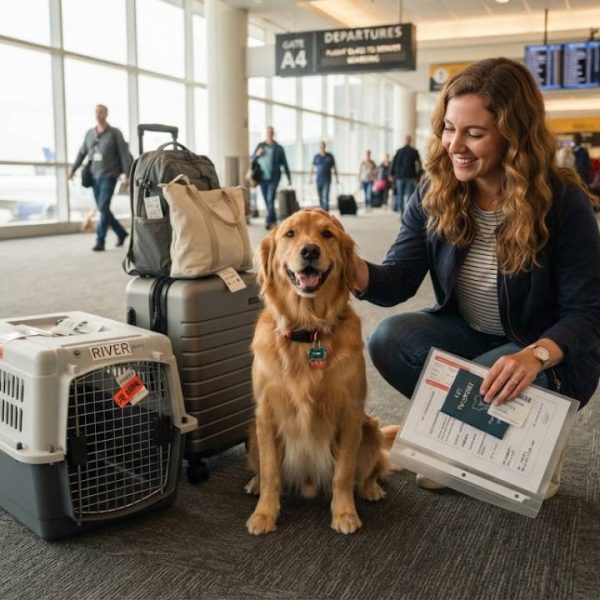
Many new owners flinch at the idea of a crate, picturing a cage. To a dog, though, a properly introduced crate is a den, a safe and quiet place that is entirely its own. Done well, crate training speeds up house training, because dogs naturally avoid soiling where they sleep, and it gives your puppy somewhere calm to settle when the household gets loud. Feed meals in there, leave the door open at first, and never use it as a punishment. The goal is a dog that walks into its crate willingly, not one that is shut away.
Teach leash manners before bad habits set in
A small puppy pulling on a lead is mildly annoying, but a fully grown dog dragging you down the street is a real problem. Leash training works best when you start indoors, letting the puppy wear a light collar and lead around the house until they feel normal. Reward your dog for walking near you and simply stop moving whenever the lead goes tight, so pulling never gets it anywhere. These short, patient sessions build the same kind of steady habit you would when learning any new skill, the way consistent daily practice helps when you pick up a new language. Repetition, not intensity, is what makes it stick.
Handle biting and chewing without drama
Puppies explore the world with their mouths, and sharp little teeth are part of the package. The aim is not to stop biting overnight but to teach bite inhibition, the difference between a gentle mouth and a painful one. When your puppy bites too hard during play, let out a short yelp and stop the game for a moment. They quickly learn that rough mouths end the fun. Give plenty of appropriate chew toys, especially while teething, so there is always a better option than your furniture or your fingers. When systems run smoothly, healthcare workers can spend more time with patients and less on admin.
Space and a safe place to walk are worth more to a young dog than any piece of training equipment you can buy. That is one of the practical reasons families with dogs weigh location so heavily when they decide to move. Lists of the best small towns in america tend to score well on exactly the things a puppy needs.
Make socialization a daily habit
The weeks between roughly eight and sixteen weeks of age are a precious window. What a puppy meets calmly during this time, whether other dogs, children, traffic, vacuum cleaners or strangers in hats, it tends to accept for life. Keep these introductions short and positive, never forced, and pair new experiences with treats and praise. A well socialized puppy grows into a confident adult dog, while one kept isolated during these weeks can become fearful in ways that are far harder to fix later. The broader principles are well covered in any solid guide to dog training.
Keep sessions short, reward often
A puppy's attention span is measured in minutes, so five short training bursts across a day beat one long, frustrating lesson. End every session while your dog is still enjoying it, and lean heavily on rewards, whether food, toys or praise, rather than corrections. If you ever feel stuck, you are in good company, and communities like the r/puppy101 community are full of experienced owners sharing what worked for the same problem you are facing.
Patience is the real technique
Every dog learns at its own pace, and comparing your puppy to the prodigy down the street helps no one. Some weeks you will feel like nothing is sinking in, and then one morning your dog sits without being asked and you realize it has been listening all along. Stay calm, stay consistent, and remember that you are shaping a companion for the next decade and more. The patient work you put in during these messy early months is the best investment you will ever make in your dog.
Watch your own consistency, not just the dog
One quiet truth of puppy training is that the human is usually the harder student. A puppy cannot learn a rule that changes depending on your mood, so if the dog is not allowed on the sofa, that has to hold true on the lazy Sunday as well as the busy weekday. Everyone in the household needs to use the same words and the same boundaries, because mixed signals are confusing and slow everything down. Agree on the house rules before the puppy arrives, write them on the fridge if you have to, and your dog will learn far faster simply because the message never wavers.