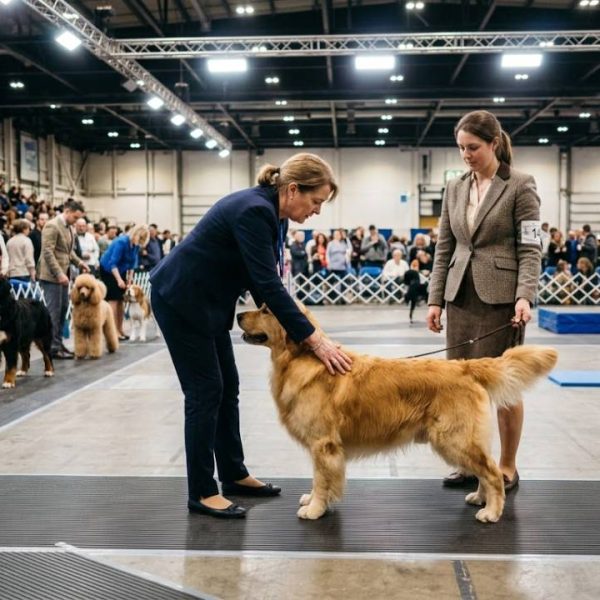
A judge at an international dog show once has to evaluate a handler's presentation, a breed standard written decades ago in another language, and a ring full of anxious animals, all at once. It is one of the more overlooked translation challenges in competitive sport, and it only gets harder as dog shows go global.
Breed Standards Were Never Written With Translation in Mind
Many breed standards, the official written descriptions judges use to evaluate an animal's conformation, were drafted in their country of origin decades or even centuries ago. A standard written in German for a working breed, or in French for a hunting dog, carries specific technical vocabulary about gait, coat texture, and structure that does not always have a clean one-word equivalent in English.
Why a Loose Translation Can Change Judging Outcomes
Judges relying on a poorly translated standard risk scoring dogs against criteria that do not quite match what the breed's home country actually intends. A term describing an acceptable coat texture, translated slightly too loosely, can shift what judges consider a fault versus a desirable trait, which matters enormously in competitions where placements come down to fine margins.
Where Certified Translation Becomes Necessary
International kennel clubs coordinating shared standards across countries increasingly commission certified legal translation services for official breed standard documents and judging rulebooks, since these texts function almost like regulatory documents within the sport. A certified version gives clubs in different countries confidence they are all judging against the same actual standard, not a rough approximation of it.
Germany's Influence on Working Breed Standards
Germany has produced some of the world's most competitively shown working and herding breeds, and clubs outside Germany handling these breeds frequently commission german translation services to keep their judging materials aligned with the original German-language standard, particularly for breeds where small structural details carry heavy weight in scoring.
How International Kennel Clubs Coordinate Judging Materials
Coordinating updated standards, judging notes, and rule changes across dozens of national kennel clubs is a genuine logistical challenge. Larger federations now rely on a proper translation tool to keep every national club's version of a standard synchronized when the original is revised, reducing the lag between an official update and every country's judges actually working from the current version.
Handlers Face Their Own Language Challenges
It is not just judges who deal with the language gap. Handlers competing abroad often need to understand ring commands and show procedures delivered in a language they do not speak fluently, and major international shows increasingly provide multilingual briefings or printed translated instructions to keep the competition fair for visiting competitors.
International dog shows now publish their judging criteria in several languages so that handlers from any country compete on equal terms. Commerce is converging on the same standard, with storefronts expected to speak the buyer's language and price in the buyer's currency. Sellers looking at shopify malaysia face exactly this problem, because a shop that reads naturally to a local customer converts far better than a translated afterthought.
A Real Example From the Show Ring
Handlers who compete across multiple countries often describe the same frustrating pattern: a dog scored highly under one country's judges for a trait that another country's translated standard treats as a minor fault, simply because the wording diverged slightly between versions over the years. Experienced international competitors learn to research each country's specific translated standard before entering a show abroad, treating it almost like studying a different rulebook for the same sport.
Veterinary Documentation Adds Another Layer
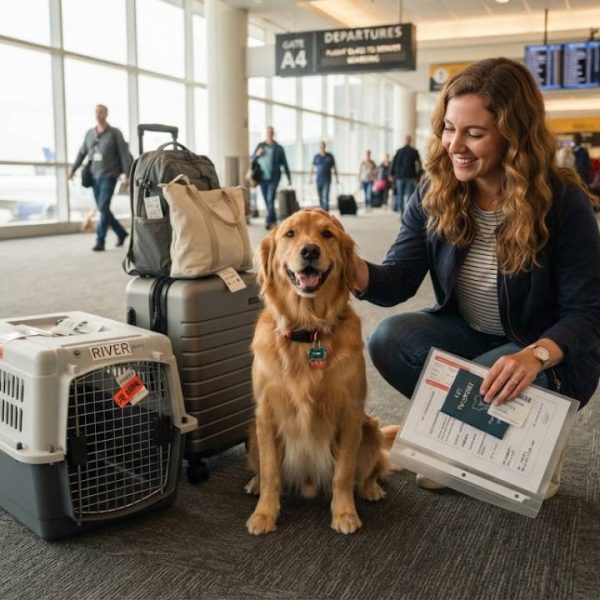
Dogs traveling internationally for competition also need health certificates, vaccination records, and import paperwork translated accurately, since customs and agricultural authorities in the destination country will reject documentation that is unclear or incomplete. Breeders and handlers who show regularly abroad typically build relationships with translation providers who understand both veterinary terminology and each country's specific import requirements, since getting this paperwork wrong can mean a dog gets turned away at the border before it ever reaches the show ring.
Training Judges to Work Across Language Versions
Some international federations now run cross-training sessions specifically to help judges compare how a standard reads in different languages, flagging spots where translations have historically diverged. This kind of proactive review catches drift before it becomes an entrenched difference in how a breed gets judged from one country to the next, which matters enormously for breeds shown heavily on the international circuit.
What This Means for the Sport's Future
As dog shows continue drawing international entries, the sport's credibility depends on judges everywhere working from genuinely equivalent standards, not slightly different interpretations shaped by translation drift over the years. Kennel clubs that invest in getting this right are quietly protecting the fairness of the sport itself, one carefully translated standard at a time, a quiet effort most spectators in the stands never think about but that shapes every result on the scoreboard.