Pets travel more than ever, and so do their owners. Families who move from Ukraine, or who adopt a rescued dog or cat, soon find themselves at a veterinary desk where a question must be answered quickly: what does the animal eat, when was it vaccinated, which symptoms appeared and since when? A conversation in two languages is hard enough, and when a frightened animal is on the table, every second counts. Phone apps can turn spoken Ukrainian into English text within moments, but they work well only when the speaker and the clinic prepare for them. Voice translation can bridge the first minutes of a vet visit, provided that people speak simply, check key facts and call a professional interpreter for serious decisions. This article explains how to use these tools safely.
What voice translation can and cannot do
A voice tool listens, converts speech to text, translates it and reads the result aloud. It is quick and handy for greetings, directions and simple questions, but it makes mistakes with names, numbers, medical words and fast speech. Background noise in a waiting room, barking dogs or a speaker who mumbles can confuse it. Owners who search for ukrainian to english voice translation should treat the result as a first draft, repeat important facts in different words and ask the vet to confirm anything that affects treatment, such as dose, diagnosis or consent for surgery.
Preparing information before the visit
The best help is preparation. Write down the animal's name, age, breed, weight, vaccination dates, past illnesses, current medicines and diet. Add a short story of the problem with dates: when it started, what changed and what has been tried. Translate this note in advance, with the help of a professional if possible, and bring both versions. Photos, videos of symptoms and the records from the previous vet make the conversation faster and reduce guesswork, even when the language barrier is high.
Speaking so that the tool understands
Short sentences work best. Speak slowly, one idea at a time, and avoid slang, jokes and long stories. Name the animal part clearly, for example paw, ear or stomach, and use numbers with units. Pause after each sentence to let the app finish, check the screen to see whether the translation looks sensible and rephrase if it does not. If the tool offers a conversation mode, keep the phone flat on the table between both speakers, and turn off noisy music or nearby devices.
Medications, doses and instructions
Veterinary medicines have brand names that differ between countries, so ask for the active substance and the exact dose per kilogram. Write down the schedule, the route of administration and any warnings about food or other drugs. Ask the vet to read the label aloud and to show the amount on the syringe or tablet. Never trust a machine alone for toxic substances, flea products or human medicines, which can be dangerous for pets. When in doubt, ask for a written instruction and have it translated by a qualified person.
Passports, vaccination books and travel papers
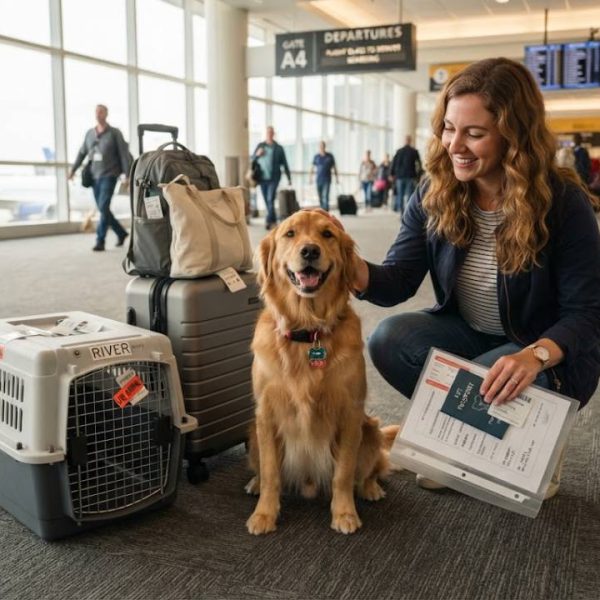
International travel with a pet requires a microchip, rabies vaccination, health certificates and sometimes blood tests. These documents must be filled in correctly and often need a certified translation. Our guide to English to Romanian translation shows how official papers are prepared when crossing borders in the region, and the same care applies to animal records. Check the rules of the destination country well in advance, because deadlines and test intervals are strict.
Emergencies and after hours
In an emergency, there may be no time to prepare. Save the number of the nearest twenty four hour clinic, and keep a card in your wallet with key words in both languages: poisoned, bleeding, not breathing, seizure, hit by car, swallowed object. Call ahead so that staff can prepare, and ask if the clinic can use a phone interpreter service. Stay calm, speak clearly and give the most important fact first. After the crisis, ask for a written summary and review it with a professional translator.
An emergency shows why language access cannot be an afterthought: the owner who cannot explain the symptoms quickly may lose precious minutes. Clinics that prepare multilingual cards, scripts and interpreter numbers in advance give every caller the same chance of fast help. The same idea explains why multilingual communication matters far beyond the vet's waiting room, because customers who feel understood in a crisis remember who helped them and come back. Whether the caller is a worried pet owner or a shopper with a broken delivery, a clear answer in their own language turns a stressful moment into lasting trust.
Shelters, rescue groups and volunteers
Many animals from Ukraine arrive through rescue organisations, and volunteers must communicate with vets, adopters and authorities in several languages. Create a shared document with the name, history and behaviour notes for each animal, in both languages, and use the same terms in every message. Train volunteers in a short list of phrases and in the use of voice tools, and appoint one person to check translations before they are sent. Clear records protect the animals and make adoption smoother.
Privacy, consent and good manners
Voice apps send recordings to servers, so avoid sharing personal data such as home addresses or payment details through them. Ask staff before you record a conversation, and explain why you use the tool. Remember that vets and nurses are working under pressure, so a calm tone and a patient attitude go a long way. A short thank you in Ukrainian or English is often warmly received and builds a relationship that helps with every later visit.
Where to read more
For a neutral explanation of the document that many owners need when travelling abroad, see the Wikipedia article on the pet passport, which describes its purpose and requirements.