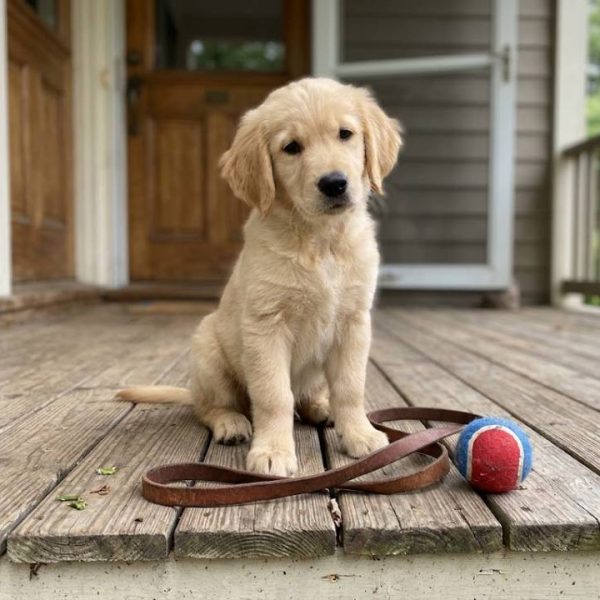
Bringing home a puppy is joyful, and one of the first purchases is a collar and leash. The wrong choice can cause discomfort, escapes or bad habits. This guide explains how to pick gear that fits well, lasts and keeps your new friend safe from the very first walk.
Why the First Collar Matters
A puppy's first collar shapes how they feel about walks, training and being handled. A soft, light collar that fits well makes the experience pleasant. A heavy or tight one can cause fear and scratching, so comfort should come before looks.
Pick a Material That Suits Your Puppy
Nylon is light, washable and affordable, which suits growing pups. Leather feels soft once broken in and lasts for years. Avoid chains and rough edges on young necks. Check seams and stitching, because chewing is almost guaranteed at this age.
Get the Size Right
Measure the neck with a soft tape and add room for growth. You should slide two fingers under the collar comfortably. If it slips over the ears, it is too loose, and if the puppy coughs, it is too tight. Check weekly during growth spurts.
Consider a Harness Too
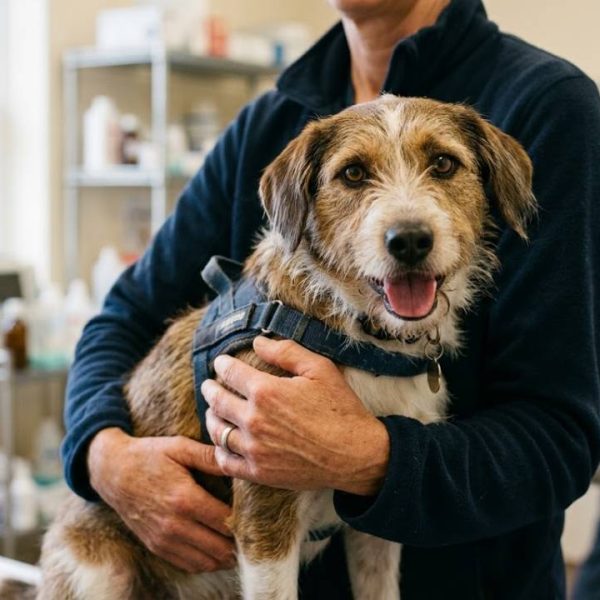
Many trainers suggest a harness for small breeds or pups that pull. It spreads pressure across the chest and protects the throat. Choose a style with two attachment points and adjustable straps so it grows with your companion.
Choose a Leash Length That Works
A standard leash of about one and a half meters gives control without feeling restrictive. Retractable leads look handy, yet they teach pulling and can tangle. Start with a simple fixed leash while your puppy learns manners near roads and other dogs.
Look for Strong Clips and Handles
Test the clip before buying. It should close firmly and not open when twisted. A padded handle protects your hand if the puppy lunges. Reflective stitching is a bonus for early morning and evening walks when light is poor.
Add Identification Early
Attach a tag with your phone number, and consider a microchip as a backup. Puppies slip out of gates and doors faster than owners expect. Reliable identification brings lost pets home quickly. Update the details whenever you move or change number.
Introduce the Collar Slowly
Let your puppy sniff the collar first, then fasten it for a few minutes while playing or eating. Reward calm behavior with a small treat. Gradually extend the time until the puppy forgets it is wearing anything at all.
Teach Loose Leash Walking
Stop when the leash goes tight and move on only when it relaxes. Reward the puppy for walking beside you. Patience matters, because short, happy sessions work better than long, frustrating ones. Trusted groups such as the ASPCA share practical care guidance.
Watch for Chewing
Teething puppies chew everything, including leashes. Offer chew toys, keep leashes out of reach when not in use, and replace anything frayed. A damaged leash can snap at the worst moment, so inspect gear often.
Think About Weather and Seasons
Wet nylon can rub the skin in cold months, while thick leather may feel warm in summer. Rinse and dry collars regularly. Keep a spare set so you always have a clean, dry option ready for muddy days.
Shop With Clear Product Information
Good shops describe size ranges, materials and care steps in plain words. Pet retailers selling abroad often use english to vietnamese translation so owners can read fitting charts and safety notes in their own language without confusion.
Write Honest Product Descriptions
Buyers trust listings that explain what a product does and does not do. Simple copywriting tips such as short sentences, specific measurements and clear photos help shoppers choose well and reduce returns for the store.
Ask Your Vet or Trainer
A quick conversation can save money on gear that does not fit your dog. Vets can spot neck or skin issues, and trainers can recommend tools that match your puppy's temperament and size.
Budget Without Cutting Corners
You do not need the most expensive set, but avoid the cheapest. A mid range collar and leash with strong hardware lasts longer and is safer. Spend where it counts, on clips, stitching and comfort.
Plan for Growth
Puppies can double in size within months. Buy an adjustable collar now and expect to replace it as your dog matures. Keep the first one as a keepsake, since it often becomes a treasured memory.
Make Every Walk Positive
Bring treats, keep a relaxed grip and let your puppy sniff. Walks are not only exercise but also learning time. A good set of gear makes those moments safer and calmer for both of you.
Final Thoughts
A well chosen collar and leash help your puppy feel safe and make walking easier for everyone. Take time to measure, test and introduce gear gently, and you will build trust that lasts well beyond the puppy months.