
A dog does not care about the calendar, but its body certainly feels the seasons. Heat in July, ice on the pavement in January and pollen in April all affect comfort, energy and health. Owners who adjust food, exercise and grooming through the year end up with calmer, healthier and happier companions.
Spring: Fresh Air and Fresh Risks
Longer walks and mild weather make spring a favorite season for most dogs. It is also the time when ticks and fleas wake up, and pollen can cause itchy skin or watery eyes. Check your dog's coat after every walk in long grass, and ask your vet about preventive treatments before the season starts.
Spring is a good moment to refresh training too. Dogs that spent winter indoors may pull on the lead or forget recall, so short, cheerful practice sessions help them settle back into good habits. Prevention in spring costs far less than treatment in summer.
Summer: Heat Is the Main Enemy
Dogs cannot sweat like people, so they overheat quickly. Walk early in the morning or late in the evening, carry fresh water and never leave a dog in a parked car, even for a few minutes. Hot pavement can burn paws, so test it with the back of your hand.
Flat faced breeds, older dogs and heavy coated breeds need extra care. Watch for heavy panting, drooling, weakness or vomiting, and move to a cool place at once if you see them. Contact a vet immediately if the signs continue.
Autumn: Back to Routine
Cooler days are great for long hikes, but autumn brings its own hazards. Fallen conkers, mushrooms and some berries can be toxic, and rodent poison is more common as temperatures drop. Keep a close eye on what your dog picks up outdoors.
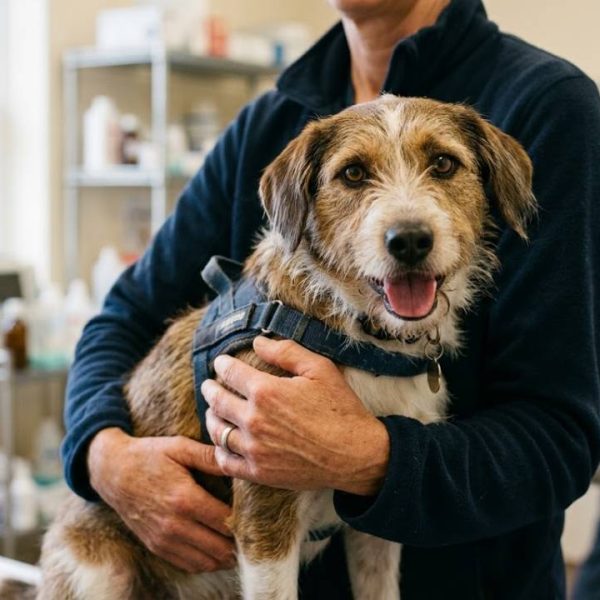
Many dogs shed more in autumn, so regular brushing helps both the coat and your sofa. This is also a good time for a health check and for updating vaccinations before winter arrives.
Winter: Warmth and Protection
Short haired and small dogs may need a coat in cold weather. After a walk on salted roads, wash and dry the paws, because salt and de-icer can irritate skin and be harmful if licked. Keep walks shorter in freezing weather, and make sure the dog has a warm, draft free bed.
Older dogs with stiff joints often struggle in the cold. Gentle indoor play, soft bedding and a vet-approved supplement can ease the discomfort and keep them moving.
Travelling With Your Dog
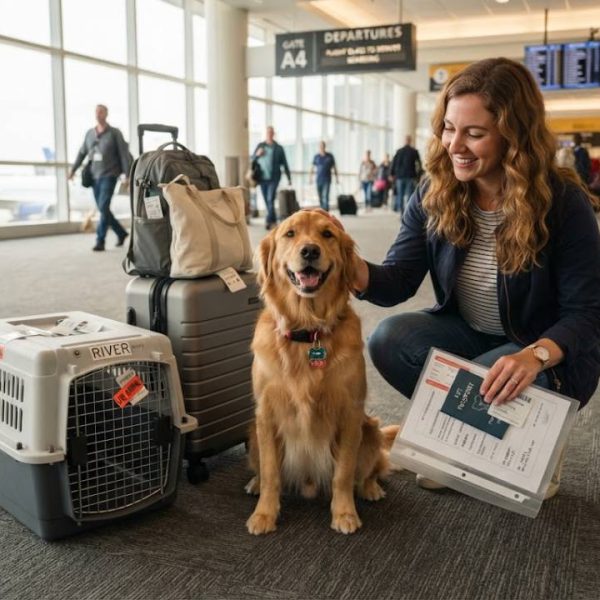
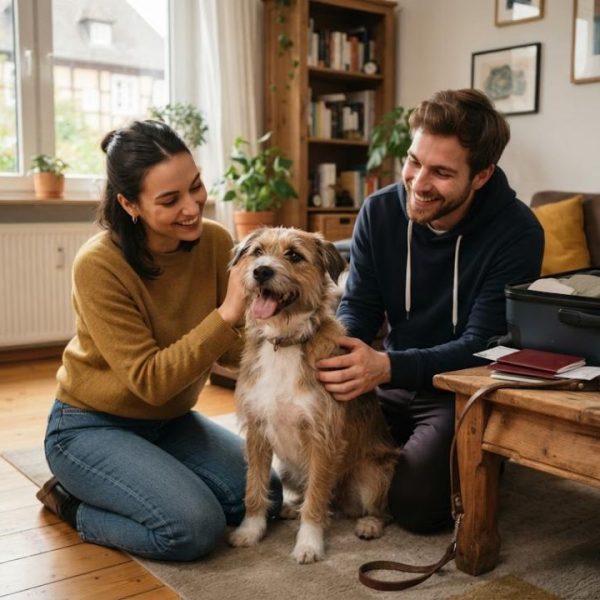
More families now take their pets abroad, and paperwork matters. Border rules often require a microchip, a valid rabies vaccination and an official health certificate. Documents written in one language may need to be read by officials in another.
Vet records, vaccination certificates and import forms are often handled by a polish translation agency when owners move between the United Kingdom and Poland, for example, so that clinics and customs officers can read every detail without delay.
Why Medical Records Need Accuracy
Animal health documents contain drug names, dosages and dates. A mistake in any of them can cause confusion, or even delay entry at a border. Always ask for a translation done by someone who understands medical terms.
The same standards apply as for human records. This guide to medical document translation explains why precision, terminology and confidentiality matter, and its lessons apply equally well to veterinary paperwork.
Nutrition All Year
A balanced diet is the base of canine health. Choose a food that matches your dog's age, size and activity level, and adjust portions as the seasons change. Dogs that exercise less in winter may need fewer calories, while working dogs in cold weather may need more.
Fresh water should always be available. Treats are fine, but they should make up only a small part of daily intake. If you plan a diet change, do it gradually over about a week to avoid stomach upset.
Trusted Information
Breed clubs and large kennel organizations publish practical advice on health, training and care. The American Kennel Club offers articles on nutrition, behavior and safety that are helpful for new and experienced owners alike.
Always combine general advice with the guidance of your own vet, who knows your dog's history and specific needs.
Enrichment and Mental Health
Dogs need more than walks. Puzzle feeders, scent games and short training sessions keep their minds busy, which reduces boredom and unwanted behavior. Rotate toys to keep them interesting, and spend time on quiet cuddles as well as active play.
A well exercised, well stimulated dog is calmer at home and easier to take along on trips, meetings with friends and holidays.
Final Thoughts
Caring for a dog is a year-round commitment, but small seasonal changes make it manageable. Watch the weather, protect against parasites, keep paperwork in order and give your dog plenty of attention. The reward is a loyal friend who stays healthy and cheerful in every season.