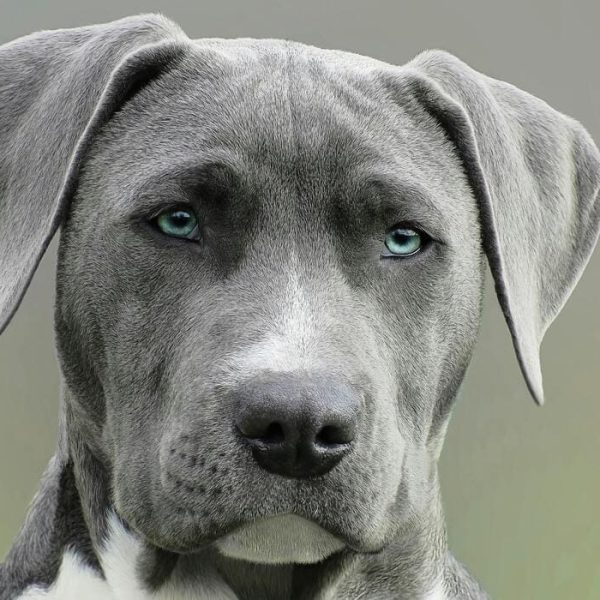
From lightning‑fast sprints to brain‑teasing puzzles and heart‑warming loyalty trials, modern canine contests showcase far more than good looks. They reveal how intelligent, agile, and devoted our dogs truly are. Whether you’re a seasoned handler or a curious first‑time owner, exploring the range of competitive events can help you discover hidden talents in your dog and build an unbreakable bond along the way.
1. Obedience Trials: Precision, Focus, and Teamwork
Obedience trials are classic showcases of control, discipline, and communication between dog and handler. Dogs must perform a series of precisely defined exercises, such as heeling on and off leash, recalling from a distance, staying in place amid distractions, and responding instantly to hand or voice cues.
These trials highlight not only intelligence but also emotional steadiness. A dog that maintains focus in a noisy environment, ignores other dogs, and responds reliably regardless of pressure demonstrates exceptional mental resilience and loyalty. For handlers, the training required builds daily-life skills: better leash manners, dependable recalls, and a stronger mutual understanding that carries over well beyond the ring.
Because competition often involves multiple dogs, classes, and entry levels, many organizers and trainers streamline their administration with tools like a pdf invoice generator to manage client billing, event fees, and training packages professionally.
2. Agility Courses: Speed Meets Strategy
Agility is one of the most dynamic and visually exciting canine sports. Dogs race against the clock through an obstacle course that may include jumps, tunnels, weave poles, A‑frames, seesaws, and more. While it looks like pure speed, the best teams blend quick thinking with flawless communication.
Handlers must direct dogs through the right sequence using body language, cues, and precise timing. Dogs, in turn, must process those signals instantly, adjusting stride, angle, and momentum in real time. A great agility run isn’t just fast; it’s smart. Every second saved reflects the dog’s problem‑solving ability and the depth of trust in the handler’s guidance.
3. Rally Events: Everyday Skills Turned Into a Game
Rally competitions take the fundamentals of obedience and turn them into an engaging, game‑like course. Dog and handler navigate a series of stations, each with a sign that describes a specific task, such as “sit‑stay,” “down‑walk around,” or “call to heel.” Teams are judged on precision but also on the enthusiasm and connection evident between them.
Because the course is different every time, both handler and dog must think on their feet. Dogs need to remain attentive, reading subtle changes in the handler’s posture and movement. Rally particularly suits dogs and owners who enjoy structure but want a friendlier, more relaxed atmosphere than traditional obedience, all while reinforcing practical, real‑world manners.
4. Scent Work and Tracking: Nose‑Powered Intelligence
Scent‑based sports draw on the dog’s most powerful sense: smell. In tracking events, dogs follow a scent trail laid hours earlier across fields, woods, or urban environments. In scent work or nosework, dogs search for specific target odors in containers, interiors, exteriors, or vehicles.
These contests demand independent problem solving. Instead of constantly watching the handler, the dog must interpret scent patterns, work through distractions, and persist when the trail is faint or disrupted by wind and terrain. Handlers learn to read tiny changes in their dog’s behavior—such as a lifted head, faster sniffing, or a subtle turn—that signal they are “in odor.” It’s a meeting of two minds, where trust is essential: the human follows the dog’s lead.
5. Flyball: High‑Energy Team Relays
Flyball combines speed, coordination, and teamwork in a relay race format. Teams of four dogs race side by side over hurdles, trigger a spring‑loaded box to release a ball, catch it, and sprint back over the jumps so the next dog can start. The fastest overall team wins, making fractions of a second critical.
At first glance, flyball appears to be all about raw speed. However, dogs must also master technical skills: a tight, efficient box turn; gripping the ball securely; and maintaining focus while racing alongside another dog. The sport builds confidence in high‑drive dogs and teaches them to channel their energy in a structured, controlled way—an excellent test of impulse control under intense excitement.
6. Herding Trials: Instinct, Control, and Calm Authority
Herding competitions evaluate those breeds originally developed to manage livestock. In these trials, dogs move sheep, ducks, or cattle through gates, around markers, and into pens, all on the handler’s commands—often delivered from a distance through whistles or subtle signals.
This setting tests intelligence on multiple levels. Dogs must read the movement and mood of the herd, anticipating where animals will go next and adjusting pressure to keep them calm and organized. Too much intensity scatters the group; too little fails to move them. The best herding dogs appear almost telepathic, demonstrating problem solving, patience, and unwavering loyalty to the handler’s direction even when operating largely out of sight.
7. Protection and Working Dog Trials: Courage and Control
Protection sports and working dog trials, such as IPO/IGP or similar formats, measure obedience, tracking, and protection work as a combined package. Dogs are asked to perform precise heelwork, advanced recalls, and retrieves, then transition into controlled protection scenarios involving a trained decoy.
Contrary to stereotype, the emphasis is on control and stability—not aggression. The dog must demonstrate courage, confidence, and clear thinking while always remaining under the handler’s command. The ability to switch instantly from intense drive to calm obedience displays exceptional clarity of mind and deep commitment to the handler’s cues.
8. Trick and Freestyle Shows: Creativity and Communication
Canine freestyle, stunt dog titles, and trick competitions celebrate creativity and flair. Dogs perform choreographed routines that can include spins, weaving between legs, jumping into arms, backward walking, and even prop interaction, all often set to music.
These events highlight cognitive flexibility and a dog’s eagerness to engage. Learning complex sequences, sometimes with verbal cues layered over body signals, requires concentration and memory. Because routines are designed by the handler, they can play to a dog’s strengths and personality, making these events ideal for showcasing not only intelligence but also the special bond and shared “language” that develops between a dedicated human‑dog team.
9. How to Choose the Right Competition for Your Dog
Not every dog will excel in every discipline, and that’s perfectly fine. When choosing a competitive path, consider your dog’s natural tendencies: Do they love to run and jump? Agility or flyball may be ideal. Are they nose‑driven and independent? Scent work or tracking could be a perfect fit. Calm, thoughtful dogs might shine in obedience or rally, while herding breeds may thrive in livestock arenas.
Start with fun classes or local “have‑a‑go” days to see what excites your dog. Above all, prioritize safety and positive training methods. The most rewarding competitions are those that strengthen your relationship, challenge your dog’s mind and body, and leave both of you eager to step back into the ring—or onto the field—together.
Conclusion
Canine competitions offer far more than ribbons and titles. They give dogs meaningful outlets for their natural drives, stimulate their minds, and deepen the partnership they share with their handlers. From fast‑paced agility courses and strategic scent games to the quiet precision of obedience and the instinct‑driven art of herding, each event reveals a different dimension of what dogs are capable of. By exploring these opportunities, you give your companion a chance to shine—and discover just how intelligent, capable, and devoted they truly are.