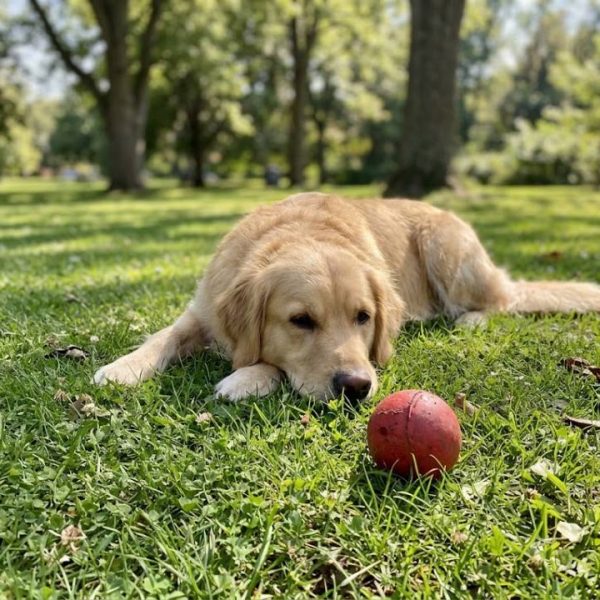
Bringing a dog home is joyful, and it also brings new responsibilities. Dogs need food, movement, training and plenty of attention. This guide covers the basics every new owner should know, from the first week to everyday routines that keep a pet healthy and happy.
Prepare Your Home First
Before the dog arrives, remove small objects, secure cables and set up a quiet resting area. A safe space helps a nervous newcomer settle.
Choose the Right Food
Pick food that suits your dog's age, size and activity. Ask a vet about portions, and change brands slowly to avoid stomach upsets.
Fresh Water Always
Keep a clean bowl available all day. Wash it daily, and carry water on long walks and car trips.
Build a Regular Feeding Routine
Feed at the same times each day. Routine helps digestion and makes toilet breaks easier to predict.
Plan Daily Exercise
Most dogs need walks and play every day. Energetic breeds may require more, while older dogs enjoy shorter, gentler outings.
Start Training Early
Teach simple words such as sit, stay and come. Short sessions with treats and praise build trust and good habits.
Use Positive Methods
Rewards teach faster than punishment and strengthen your bond. Training advice from the American Kennel Club training advice pages offers clear, kind steps for beginners.
Socialise With Care
Introduce your dog to new people, places and animals slowly. Pleasant early experiences prevent fear later in life.
Schedule Vet Visits
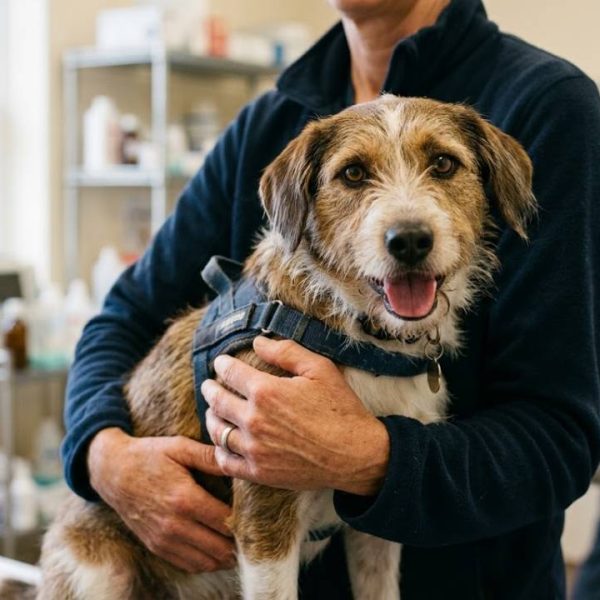
Vaccinations, parasite control and yearly checkups protect your dog. Keep records in one place and note any changes in behavior.
Consider Microchipping
A microchip helps return lost pets to their owners. Keep your contact details up to date with the registry.
Groom Regularly
Brushing removes loose hair and lets you spot skin problems early. Check ears, nails and teeth as part of the routine.
Care for Dental Health
Brush teeth several times a week with dog toothpaste. Healthy teeth prevent pain and serious illness.
Watch for Warning Signs
Loss of appetite, constant scratching or sudden tiredness can signal a problem. Call a vet when something seems wrong.
Keep Toxic Items Away
Chocolate, grapes, onions and some plants are dangerous. Store them well out of reach and learn the number of an emergency vet.
Offer Mental Stimulation
Puzzle feeders, scent games and new routes keep a dog's mind active. Bored dogs often chew furniture or bark too much.
Teach Calm Time Alone
Practise short absences and increase them gradually. A chew toy and a comfortable bed make waiting easier.
Travel Safely With Your Dog
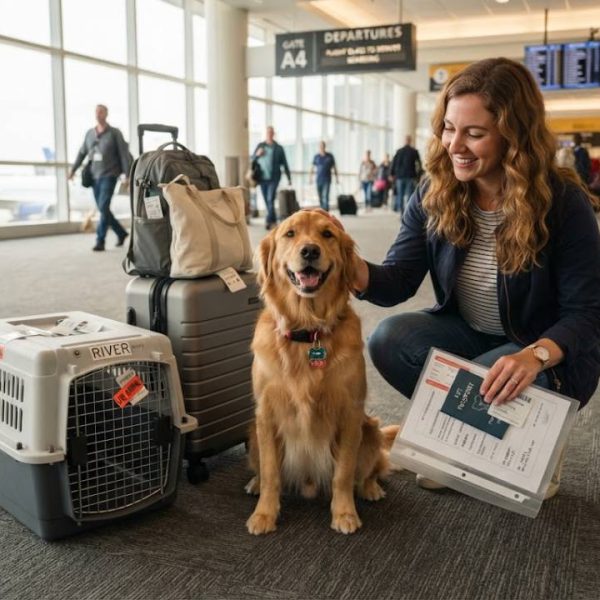
Use a harness or crate in the car and never leave a dog in a hot vehicle. Pack water, a leash and waste bags.
Understand Body Language
Tail position, ears and posture reveal feelings. Learning these signals helps you avoid stress and prevent bites.
Pet Shops and Services Reach Wider Audiences
Businesses that sell food, toys and care services often grow by selling abroad. Clear product pages supported by retail translation services help customers understand labels, sizes and safety notes.
Online Growth for Pet Brands
A good website answers questions in the visitor's own language. Read how website translation for business growth can bring new customers to animal related shops.
Choose Safe Toys
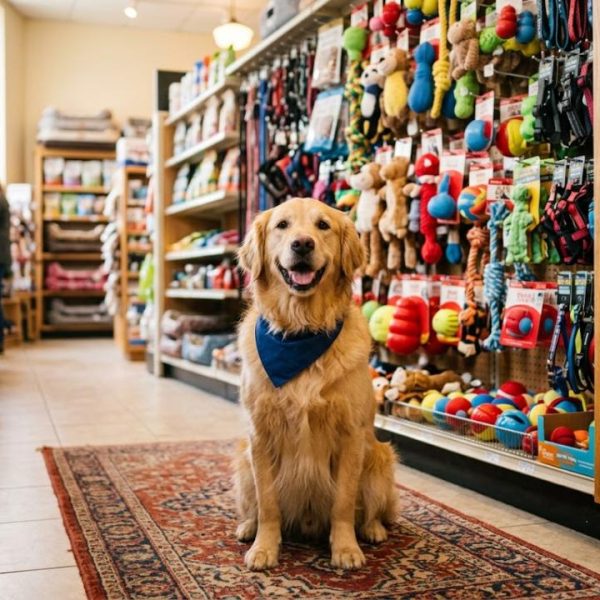
Pick toys sized for your dog and replace them when worn. Broken pieces can cause choking or injury.
Respect Local Rules
Many places require leashes, licences and clean up after your dog. Follow them to keep parks welcoming for everyone.
Prepare for Competitions and Shows
Dog sports like agility and obedience are fun for active pairs. Start with local clubs and focus on teamwork rather than prizes.
Care for Senior Dogs
Older dogs may need softer beds, shorter walks and more frequent checkups. Patience and comfort matter most in later years.
Enjoy Time Together
Dogs love attention more than any gift. Daily play, cuddles and quiet walks create a close, lasting friendship.
Keep a Safe Garden
Check fences for gaps and avoid pesticides within reach. A secure yard gives your dog freedom without risk.
Handle Hot and Cold Weather
Dogs can overheat or get cold quickly. Walk in the cooler parts of the day in summer and consider a coat in winter.
Introduce Children Gently
Teach kids to respect a dog's space and never disturb it while eating or sleeping. Supervise early meetings carefully.
Be Patient With Mistakes
Accidents and chewed shoes are normal at the start. Calm guidance and consistent routines solve most problems over time.
Learn From Other Owners
Local groups and parks are full of practical tips. Share experiences and ask questions, but always check health advice with a vet.
Final Thoughts
A well cared for dog is the result of daily kindness and good habits. Feed well, train gently, visit the vet and give your pet time and attention. In return, you gain a loyal companion who brightens every day.