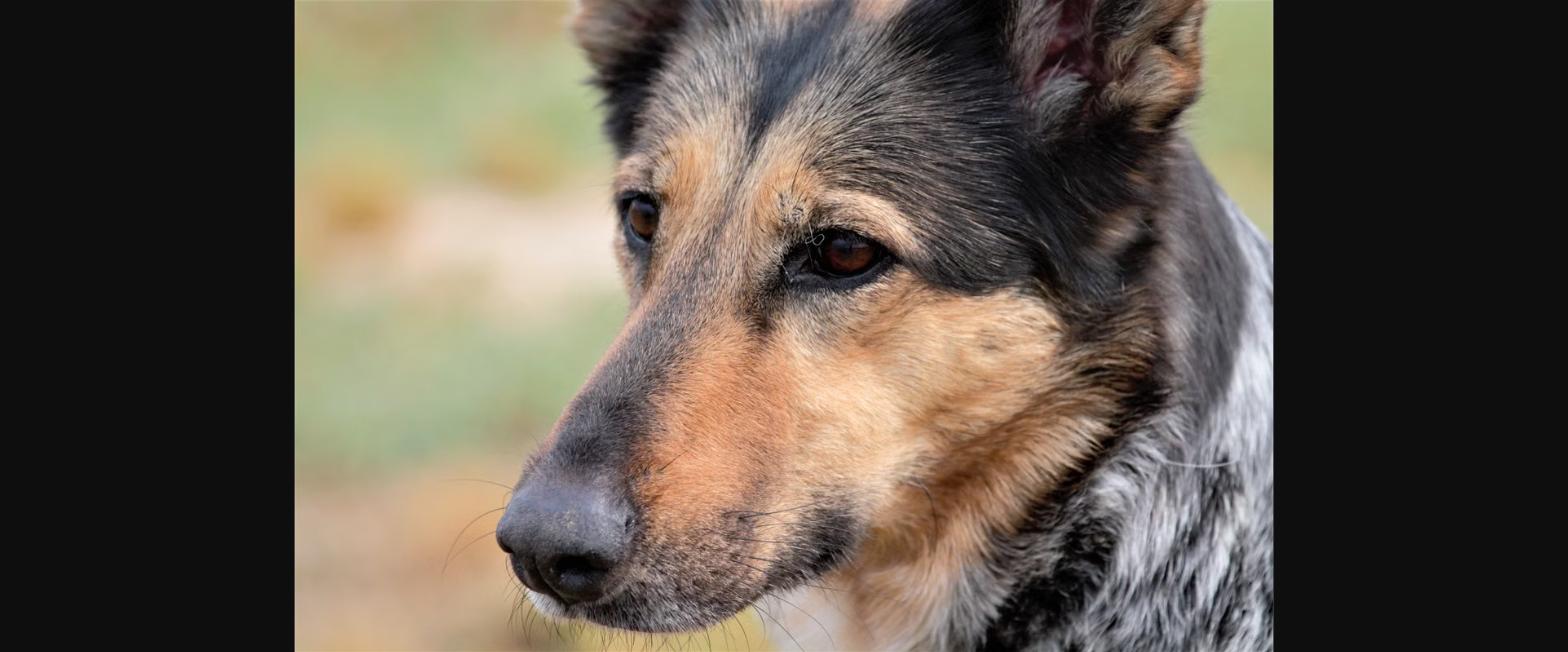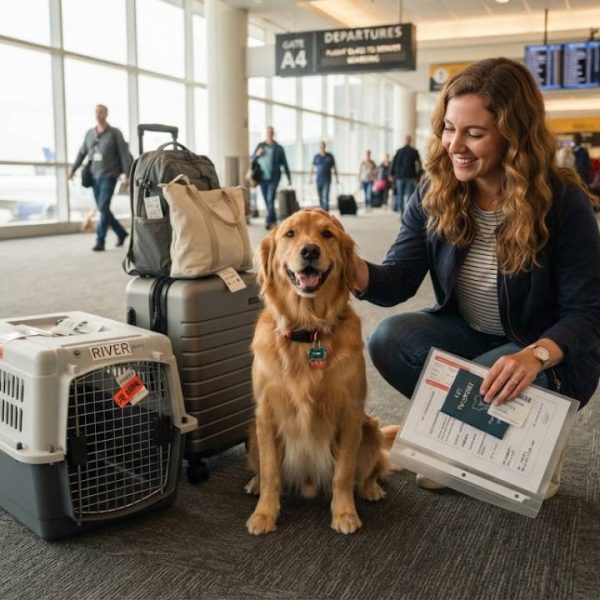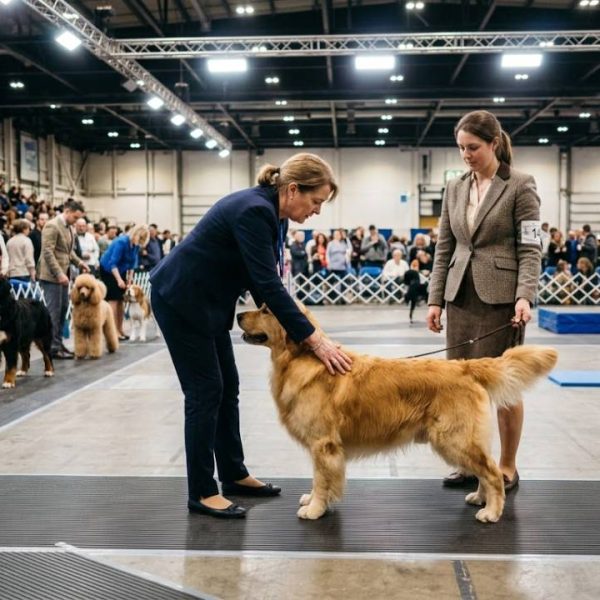

A breeder in Istanbul packs a crate for a champion Kangal headed to a major show in Germany next month. The flight booking is easy. The paperwork folder sitting open on the kitchen table is not.
Import permits health certificates and pedigree records all need to match what the destination country expects before the dog ever reaches the tarmac.
One line filled out incorrectly at customs can mean a dog sits in a holding area while officials sort out a document nobody can quite read.
Nobody wants that call from the airport an hour before a show ring opens.
Breeders who show internationally learn fast that the flight is the easy part and the paperwork is where trips actually fall apart.
Why Show Dog Owners Need A Reliable Translation Partner
International dog shows pull entries from dozens of countries and every one of those dogs arrives with documents written in its home country's language.
Owners who work with a proper turkish translation company for pedigree papers and health records avoid the kind of border delay that turns a two day trip into a missed competition entirely.
A health certificate translated loosely can raise red flags with agricultural inspectors even when the dog itself is perfectly healthy and properly vaccinated.
Kennel clubs that accept international entries increasingly ask for certified versions of every supporting document rather than a rough summary a breeder wrote themselves.
Owners who test their translation provider on a minor regional show before a major international event catch formatting issues long before they become a real problem at the border.
The Pedigree Problem Nobody Talks About
Pedigree records carry generations of breeding terminology that a generic translator rarely understands well enough to render accurately.
A single mistranslated term describing a bloodline or a health clearance can create confusion for judges trying to verify a dog's eligibility for a specific class.
Registries in different countries also format pedigree documents differently and a translator unfamiliar with kennel club conventions can accidentally scramble the layout.
Breeders who show the same dog across multiple countries in one season often keep a running glossary so terminology stays consistent from one translated document to the next.
Judges reviewing a foreign pedigree appreciate a translation that reads the way a native document would rather than one that feels obviously converted from another language.
Some kennel clubs now request a short cover note alongside the translated pedigree explaining any unusual naming conventions specific to the breeder's home registry.
That extra context helps a judge unfamiliar with a particular country's paperwork move through verification quickly without pulling the exhibitor aside for questions.
What Happens When Owners Skip Proper Translation
Skipping certified translation feels like a reasonable shortcut when a show is weeks away and the entry deadline is already tight.
The real cost shows up at customs when an inspector rejects a health certificate that technically says the right thing but reads unclearly in the destination language.
According to the WOAH unclear veterinary documentation remains one of the most common reasons animals face delays crossing international borders.
A single rejected document can trigger a wider review of every other paper a breeder submits to that same authority for future shipments.
Breeders who have lived through one holding pen delay rarely skip proper translation again because the memory of that particular wait tends to stick around.
Show organizers report that documentation problems cluster heavily around first time international entries rather than breeders who travel to shows every season.
A first time exhibitor often underestimates how many separate documents a single dog needs translated before customs will even look at the crate.
Judging Across A Language Gap
Judges at international shows increasingly need support beyond a printed breed standard translated months in advance.
A judge evaluating a handler's presentation sometimes needs a quick clarification about a health note or a recent veterinary visit noted in a foreign language record.
Shows that keep a proper remote interpretation services option on call let a judge or a ring steward get an accurate answer within minutes instead of guessing at a handler's broken explanation.
Handlers who cannot communicate clearly with a judge during a health question sometimes end up withdrawn from a class over a misunderstanding that a quick interpreter call would have resolved.
Large international federations now test their interpretation setup before major shows specifically to catch gaps before a real situation exposes them mid competition.
Building A Process That Travels Well
Experienced international competitors start translation work months before a show rather than scrambling once the entry is confirmed.
That early start gives a translator time to flag ambiguous terminology before it becomes part of a final document submitted to customs or a kennel club registry.
A shared glossary between a breeder and their translation provider keeps every new document consistent with ones submitted in prior seasons.
Breeders who switch translation providers every season often repeat the same terminology mistakes that a consistent partner would have already caught and fixed.
Kennel clubs coordinating judging materials across many countries face the same coordination challenge on a much larger administrative scale.
Federations affiliated with the FCI publish updated breed standards regularly and clubs that translate each revision promptly avoid the drift that confuses judges over time.
A translation partner who already understands both veterinary terminology and kennel club paperwork formatting saves a breeder from explaining the same context every single season.
Show veterinarians who review incoming health documents say a clearly translated record lets them clear a healthy dog in minutes rather than holding it for additional questions.
The breeder in Istanbul had already solved this problem months earlier by building a standing relationship with a translation team that understood both veterinary language and show paperwork.
When the Kangal finally landed in Germany every document cleared customs without a single question and the dog walked into the ring on schedule.
The breeder later admitted that early call to a translation provider had changed how every future international entry gets planned from that point forward.